Trump's $5,000 dividend promise now faces Democratic control of Congress
Voters rejected the GOP bid to keep Congress, leaving the president's Dallas pledge to send checks to every adult without the legislative path he once assured was open.
By Nia Foster ·
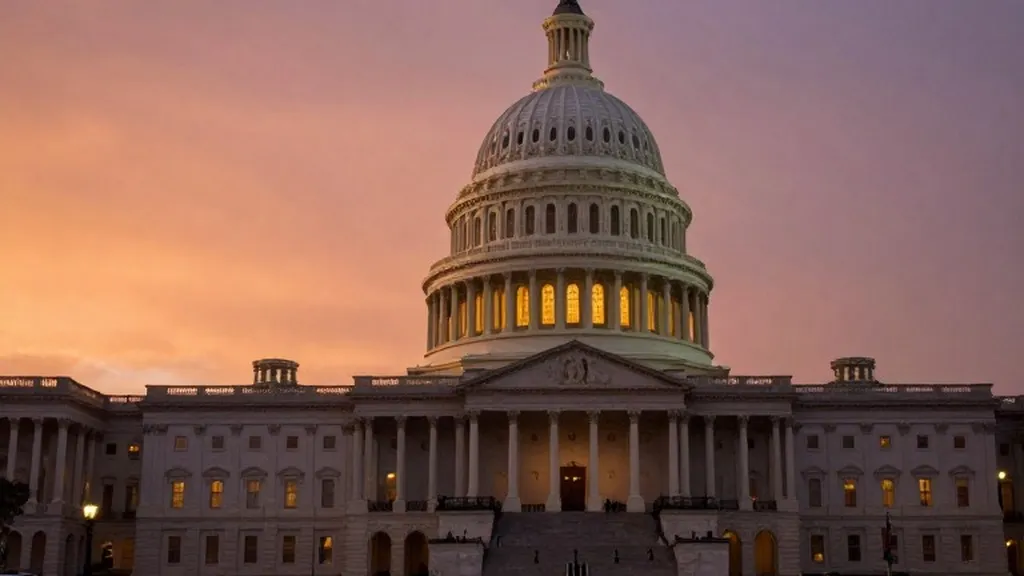
President Donald Trump's pledge to send a $5,000 check to every American adult if Republicans retained control of Congress has become a campaign artifact rather than an immediate policy roadmap. The promise, dubbed the Trump dividend, was central to the Republican midterm strategy in Dallas, but the election results on Tuesday have shifted the power dynamics in Washington. Democrats have now secured majorities in both the House and the Senate, meaning the president's party lost the very legislative body he said would be necessary to fund the checks. This outcome places the $1.2 trillion proposal in a state of limbo, with the executive branch promising to pursue it despite the new partisan landscape.
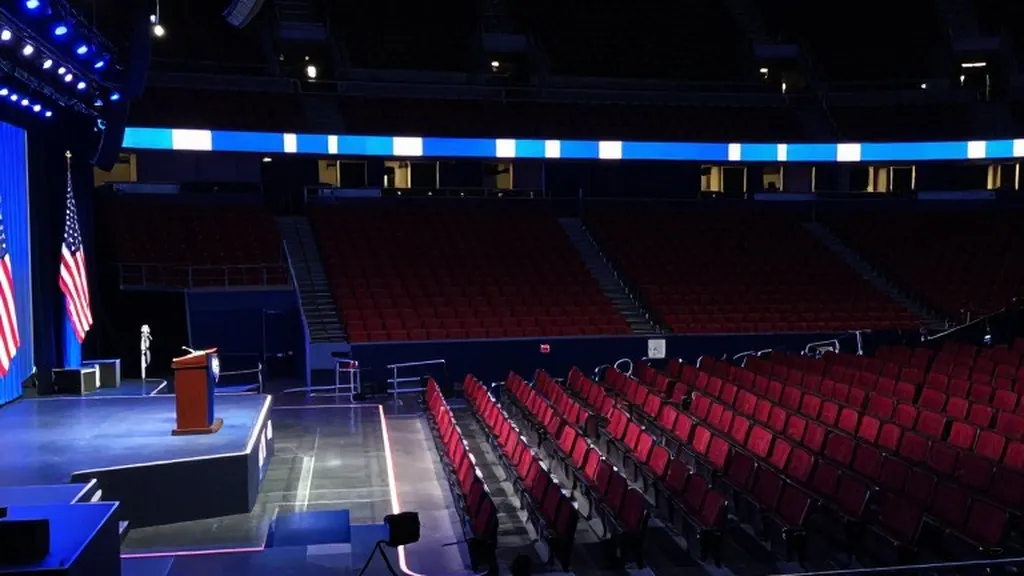
The specific terms of the promise were laid out at the Republican Midterm Convention in Dallas. Trump told the crowd that if Republicans won the House and the Senate, voters would win with them and receive $5,000. He described the payment as a dividend resulting from the nation's tremendous economic success. The president compared the move to successful companies distributing cash to shareholders. He also noted that the administration had previously sent $1,776 checks to military members. The promise was conditional on the GOP maintaining power in both chambers of Congress, a threshold they did not meet in the November elections.
Speaker Mike Johnson, who led the House for the Republicans, acknowledged the procedural hurdles involved in the proposal. In a statement made before the election, Johnson said that congressional approval was needed for the payments. He described the idea as creative and pledged to work through it. Johnson stated that he would assume the president needed Congress to act. Even after the loss, the speaker's comments highlight the legal reality that the president cannot unilaterally spend over a trillion dollars without legislative authorization. The new Democratic control of both chambers means the proposal must now be negotiated with the opposition party.
Bipartisan criticism of the plan emerged before the votes were even counted. Democratic leaders questioned the feasibility of such a large payout in the current economic climate. Republican critics, including Texas Congressman Chip Roy, raised concerns about the long-term implications of the spending. Roy wrote that dependency is evil in all its forms. The criticism was not limited to one side, with some fiscal hawks on both parties questioning whether the government could absorb such a massive expense without exacerbating inflation or increasing the national debt.
Fact-checkers and economic experts have long noted that the biggest payment was far from certain. PolitiFact reported that the administration had not announced a formal plan for how the checks would be distributed. The fact-checkers noted that the proposal faced enormous obstacles, including the need for a 60-vote supermajority in the Senate to overcome potential filibusters. With Democrats now holding a 54-44 majority in the Senate, the path for a simple majority passage is clearer in the chamber, but the House now requires a 250-157 Democratic majority to pass the bill. This shift in control changes the political calculus for the president.
The funding source for the dividend was a point of contention during the campaign. Trump cited tariff revenues as a potential source for the money. Vice President JD Vance indicated that some of the funds would come from these tariffs. However, the Tax Foundation estimated that the new tariffs would generate about $208 billion in revenue in 2026, a fraction of the $1.2 trillion cost of the checks. Erica York, a senior economist at the Tax Foundation, noted that the cost of the checks would spend almost all the revenue that the new tariffs are projected to bring in over a decade. This gap in funding has led to skepticism about how the promise will be fulfilled.
The election results show that voters were focused on the cost of living and the economy. The Associated Press Voter Poll found that three-quarters of voters said the economy was not so good or poor. About eight in ten said inflation had caused a severe or moderate financial hardship for their households. These concerns drove the Democratic wave that resulted in the party gaining at least 43 House seats and seven Senate seats. The new congressional leadership is expected to focus on oversight of the administration and addressing the budget deficit, which currently stands at nearly $1.8 trillion annually. The dividend promise now sits alongside other major spending proposals that will require careful negotiation.
The legal framework for such a payment allows for the promise to be made, even if it is difficult to execute. Election law professor Rick Hasen noted that the president would have a strong First Amendment defense if the promise were challenged as buying votes. He compared it to other campaign promises, such as tax cuts or healthcare expansion. However, the practical reality is that the money must come from the federal treasury. The president told reporters that the payments would be easy enough because the United States is taking in so much money. He claimed the country is taking in $21 trillion, a figure that has been debated by economists. The new Congress will likely scrutinize these claims during the confirmation and oversight processes.
The shift in power also affects the timing of the payout. Trump had suggested the checks would go out if Republicans won. Now that Democrats control the levers of power, the president may need to introduce legislation or find a way to fold the dividend into a larger spending bill. Senator Bernie Moreno, a Republican from Ohio, had said he would introduce legislation to fund the proposal immediately after the election. With the House now under Democratic control, the bill will face a different set of committee chairs and leadership priorities. The new House Speaker will be a Democrat, who may view the dividend as a popular measure but one that requires strict fiscal discipline.