Breaking: Election Day is here! Make your selections: The fight for Congress and the cost of living
Voters head to the polls on Tuesday, November 3, 2026, to decide the control of Congress amid high prices and an unpopular war, with Democrats aiming to capitalize on public frustration.
By Tomas Gonzalez ·
It is Election Day, Tuesday, November 3, 2026, and voters across the nation are heading to the polls to decide who will control Congress for the final two years of President Donald Trump's second term. According to the Associated Press, this midterm election is widely viewed as a referendum on the administration, with many citizens struggling with high prices and expressing anger over an unpopular war with Iran. The stakes are significant, as the outcome will determine whether the president's party retains its grip on both chambers of Congress or faces a new wave of oversight and potential investigations.
The mood in polling places reflects a nation grappling with economic strain. James Moore, a 57-year-old librarian in Raleigh, North Carolina, summarized the sentiment of many voters by noting that he is paying more taxes, more for healthcare, and more for everything. His comments highlight the central issue of the day, which is the cost of living. In contrast, Mark Barker of Palm Beach Gardens, Florida, expressed a different view, stating that he has been following Trump closely and believes the president is doing an awesome job. These divergent perspectives underscore the sharp divide in public opinion that defines this election cycle.
Democrats are approaching the day with cautious optimism, driven by the belief that public frustration will translate into votes. Rep. Suzan DelBene, the Chair of the Democratic Congressional Campaign Committee, stated that the American people are angry and want change. She emphasized that the party is focused on delivering a message of relief to voters who feel the weight of high costs. The Democratic strategy centers on holding the line in key districts and making gains in the Senate to ensure a robust opposition in Congress.
In the U.S. House, all 435 seats are up for election. Republicans currently hold 218 seats, while Democrats hold 214, with one independent and several vacancies. Democrats need a net gain of three districts to secure a majority, whereas Republicans can afford to lose no more than two seats. Ballotpedia identifies 46 battleground districts, with 25 held by Democrats and 21 by Republicans. The map is complex, as 21 Democratic-held districts voted for Trump in 2024, while nine Republican-held districts voted for Kamala Harris. This dynamic suggests that party loyalty is not the only factor influencing voter behavior in these competitive areas.
The Senate race is equally critical, with 35 seats up for grabs. Republicans hold 53 seats, and Democrats hold 45, plus two independents who caucus with the minority. Democrats need a net gain of four seats to take control of the chamber. Key battlegrounds include Alaska, Florida, Georgia, Iowa, Kansas, Maine, Michigan, Montana, Nebraska, New Hampshire, North Carolina, Ohio, and Texas. Race ratings from major political analysts indicate that Maine is a toss-up, while Iowa, Kansas, and Alaska are leaning toward the Republican side, and Michigan and Georgia are leaning toward the Democrats. The outcome in these states will largely determine which party controls the Senate.
Governor races are also in play, with 36 governorships on the ballot. Republicans currently hold 26 offices, and Democrats hold 24. Democrats are hoping to achieve a nationwide majority of governorships for the first time in two decades, which would require a net gain of two seats. Notable matchups include Georgia, where Republican health care executive Rick Jackson faces Democratic former Atlanta Mayor Keisha Lance Bottoms, and Nevada, where Republican Governor Joe Lombardo faces Democratic Attorney General Aaron Ford. In Ohio, Republican Vivek Ramaswamy faces Democrat Amy Acton, a race that has drawn attention due to campaign advertisements.
The financial aspect of the election has been a significant factor, with the 2026 elections likely to be the most expensive in history. According to AP analysis of AdImpact data, Republican committees outraised and outspent their Democratic counterparts, aided by Trump-affiliated groups and Elon Musk. However, at the candidate level, Democrats outraised their opponents. A striking detail is that 88.1% of Republican general election TV ad spending went to states and districts that Trump won in 2024, including more than $850 million in areas where he won by 10 points or more. This spending strategy suggests a focus on protecting existing Republican strongholds.
Voters are also navigating a landscape affected by redistricting, with six states using new congressional maps after mid-decade changes. California, Florida, Missouri, North Carolina, Tennessee, and Texas are using new maps, and Ohio also has a new district map. These changes have drawn scrutiny, with Republicans trying to use the new boundaries to beat the typical midterm pattern of losing seats. However, some new districts may not vote as initially drawn, adding an element of uncertainty to the final tallies.
The administration has been involved in legal battles regarding election administration, with a federal judge temporarily barring the Trump administration from carrying out a plan to prevent noncitizen voting. Critics argue that this move risks disenfranchising eligible voters and infringes on states' authority. Additionally, a judge ordered the administration to stop demanding that California election officials segregate ballots cast by people on lists of suspected noncitizens. These legal developments have raised concerns among Democrats about potential interference and intimidation, especially as the Justice Department threatens to prosecute local election officials.
If Democrats win even one chamber of Congress, investigations and possible impeachment proceedings become likely. House Democratic Leader Hakeem Jeffries, who would be the first Black speaker if his party takes the House, has outlined a 100-day agenda focused on the cost of living and oversight of the administration. A strong Democratic performance would also boost potential 2028 presidential candidates, including Gavin Newsom, JB Pritzker, and Pete Buttigieg, while potentially complicating the path for Vice President JD Vance. The results will be closely watched by Wall Street, as Reuters notes that the outcome could add to investor concerns about AI spending and debt ceiling negotiations.
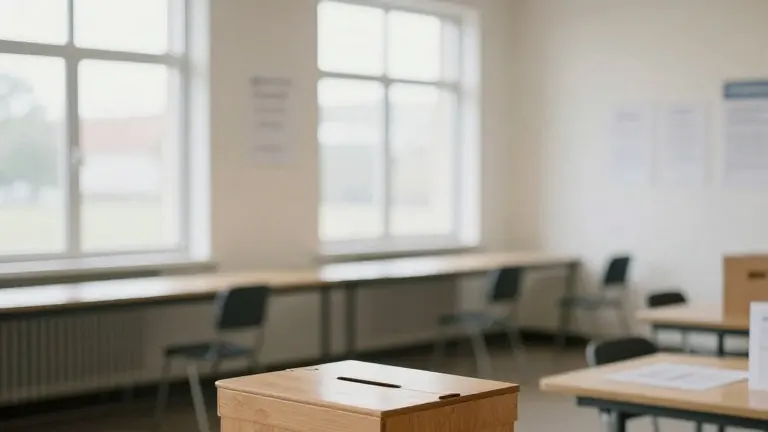
As voters head to the polls, it is important to know the logistics of the day. According to Ballotpedia and USA.gov, voters should find their polling place at vote.gov or their state election office. Poll hours vary by state, with many opening between 6 a.m. and 7 a.m. and closing between 7 p.m. and 8 p.m. For example, in California, polls are open from 7 a.m. to 8 p.m., while in New York, they are open from 6 a.m. to 9 p.m. In Florida, polls are open from 7 a.m. to 7 p.m. in both Eastern and Central time zones. In Texas, polls are open from 7 a.m. to 7 p.m. Voters in line when polls close are entitled to vote, so arriving early is advisable. ID rules vary by state, so voters should check their specific requirements before heading out.
The day is also marked by significant early voting numbers, with more than 57 million people having already cast their ballots as of Monday. This figure surpasses the early vote from four years ago in many closely watched states. The high turnout suggests strong engagement among voters who are eager to make their voices heard on the key issues of the day. As the day progresses, the focus will remain on whether Democrats can capitalize on their momentum and whether Republicans can hold their ground in key districts and states.