Supreme Court rejects bid to hold 20,000 California ballots
The high court declined to intervene in a dispute over mail-in votes from voters flagged as potential noncitizens, a day before the midterm elections.
By Julian Schulz ·
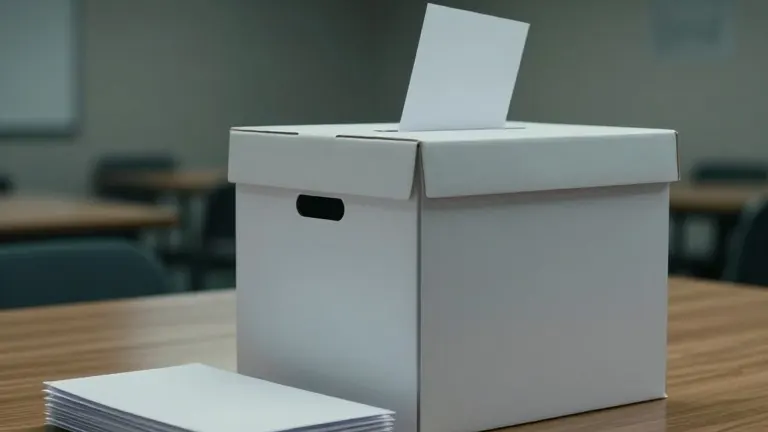
On Monday, the Supreme Court declined to stop California from counting approximately 20,000 mail-in ballots. These votes were cast by individuals the Trump administration identified as likely noncitizens. The decision leaves the ballots in the count just one day before the midterm elections that will determine control of Congress.
The administration had asked the justices to pause the counting process until citizenship status could be verified. Federal officials argued this step was necessary to ensure only eligible voters were tallied. California officials pushed back, stating the data contained errors and that removing the ballots would disenfranchise legal citizens.
The legal fight began after the Justice Department flagged the 20,000 names on the state’s voter rolls. District Court Judge David O. Carter initially denied the federal request. He warned that segregating the votes could disrupt the election process and damage public trust in the results.
A federal appeals court panel later upheld Carter’s ruling by a 2-1 vote. Two judges, one appointed by President Joe Biden and one by President Donald Trump, supported the state. A third judge, also appointed by Trump, dissented, arguing that California’s refusal to separate the ballots encouraged violations of federal law.
In a separate ruling on the same day, Chief Judge James Boasberg found that the administration violated the Constitution’s Elections Clause. He wrote that the executive branch likely overstepped its authority by making last-minute demands of state election officials.
Justice Department attorneys admitted during hearings that their data had a high error rate. Attorney Kenneth Kao told Judge Trina Thompson that the department needed help from state registrars to verify the voters. Despite this, Bill Essayli, the federal prosecutor for Los Angeles, maintained at a news conference that the individuals on the list were not entitled to vote.
California Attorney General Rob Bonta criticized the appeal, saying it undermined the rule of law. He noted that the state mails ballots to all roughly 23 million registered voters. Officials said finding and setting aside the specific challenged ballots at this stage was logistically impossible.
The Supreme Court did not provide written reasons for its decision, a common practice for emergency matters. This follows a pattern of the high court rejecting the administration’s election-related appeals this year, including a September ruling on national mail ballot restrictions.
Source: The San Bernardino Sun