Israel's Inconclusive Election Exposes Deep Divisions Within Society
A record turnout has left neither major bloc with a parliamentary majority, raising the prospect of long coalition talks or another vote.
By Nia Foster ·
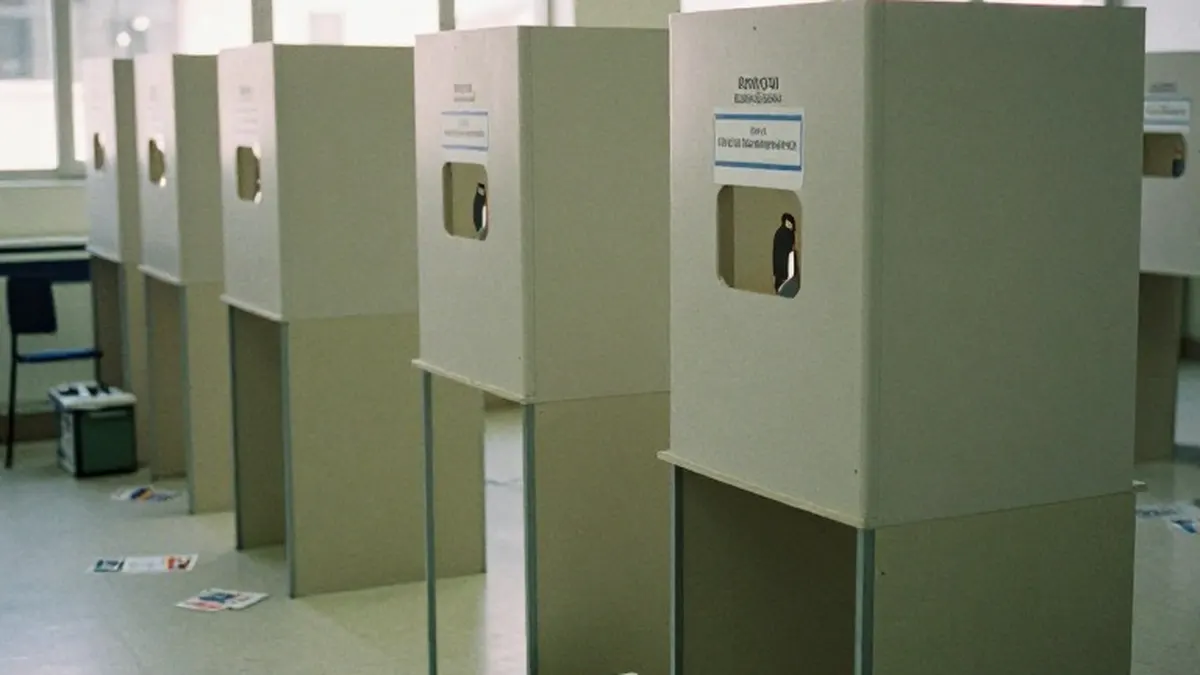
Israel's election on Tuesday was in many ways a showcase for democracy, yet it ended without a clear route to a new government. Neither of the two opposing blocs secured a majority in parliament, leaving the country facing a difficult period of negotiation.
Turnout was at record levels among both Jewish and Arab voters, and some citizens spent thousands to travel from abroad to vote. Campaigners at polling stations worked until the final minutes to win over any remaining undecided voters. President Isaac Herzog called the election a "badge of honour" for Israeli society and said it was remarkable to see how deep the desire for democracy runs in the country.
A hung result is not unusual in itself. Israel has never been governed by a single party, and its fragmented proportional system is practically built for coalitions. Even so, many commentators say this vote highlighted divisions that are deep and possibly widening, rather than a population united around one cause.
Some of those rifts are familiar. Plans for judicial reform triggered mass protests in the early years of the current government. The response to the deadly attacks of 7 October 2023 split opinion over whether to prioritise saving hostages or destroying Hamas. Casualties among reservists in the later fighting in Gaza sharpened anger over the exemption of ultra-Orthodox young men from military service. The ultra-Orthodox now make up almost 15% of the population, and their outlook is far removed from that of residents of Tel Aviv's modern, high-tech districts.
The political picture is just as fragmented. Benjamin Netanyahu's Likud party lost significant ground but is still on course to be the largest party in the Knesset. The prime minister is accused of corruption, which he denies, and of failing to protect Israel before 7 October, a matter he will not allow to be investigated. About 10% of voters backed the Jewish supremacist far right, including Finance Minister Bezalel Smotrich, who promised to set up Jewish settlements in Gaza even as results came in. Arab parties, which represent roughly a fifth of Israeli citizens, won about 15% of the vote and could take seats numbering in the high teens. The opposition bloc, a mix of centre, left and right led by Gadi Eisenkot, fell short of the change many of its supporters saw as vital.
Forming a government will require hard choices. Netanyahu would have to decide whether to drop his religious allies and turn to right-wing members of the opposition bloc, who in turn would have to set aside their hostility toward him. The opposition could instead cooperate with Arab parties to push him out, but that would mean abandoning much of its campaign platform, and Arab parties would have to weigh joining a government that might collapse within months. Yair Golan, leader of the left-wing Democrats, urged the opposition to partner with Arab parties, saying Israel must stop accepting Netanyahu's "racist division between Jewish votes and Arab votes."
Amit Segal, a commentator sympathetic to Netanyahu, said the strong Arab turnout "reminded Jews on both sides that, after years of division, they may have to learn to sit together after all."
Coalition talks could drag on for months and might fail altogether, forcing another election. Herzog acknowledged the danger as he prepared to open negotiations: "We must do everything we can, certainly after yesterday, to avoid another round of elections." The deeper question, analysts suggest, is whether a country long focused on external enemies can now manage the strains within, and what ultimately binds its varied communities into a single political community.
Source: BBC News