Netanyahu claims survival hinges on Iran as Israel votes Tuesday
A reported dispute with the military chief and an AI-generated nuclear image frame the final campaign push.
By Julian Schulz ·
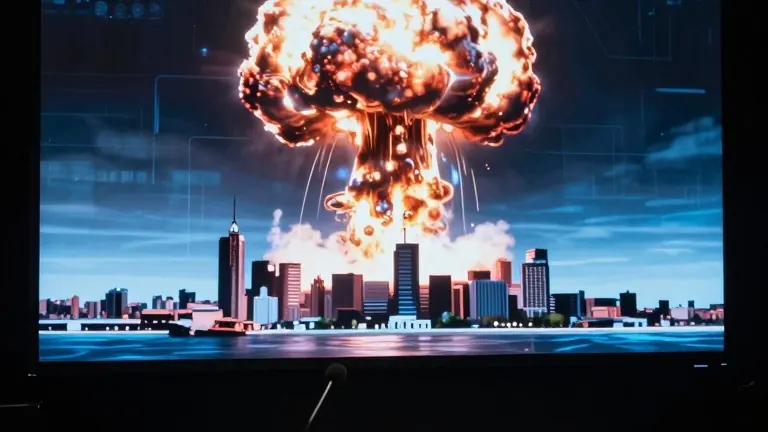
Benjamin Netanyahu told voters on Sunday that his defeat could expose Israel to a second Holocaust. He made this claim while sharing an AI-generated image of a nuclear explosion over Tel Aviv. The prime minister is leading into Tuesday’s election by linking his personal tenure directly to the nation's ability to survive an Iranian threat.
The campaign has centered on a question of trust. Netanyahu argues that only his experience and international standing can manage the danger from Iran. His rivals in the change bloc argue that he can no longer be trusted to separate national security needs from his own political survival. The debate pits the prime minister’s claim of indispensability against the argument that he is becoming a liability.
On Sunday night, N12 News reported a confrontation between Netanyahu and IDF Chief of Staff Lt.-Gen. Eyal Zamir. The report stated that Zamir resisted an instruction for an undisclosed military operation. Defense officials feared the move could trigger a confrontation with Iran. Zamir reportedly sought further deliberations and requested written documentation concerning the legal authorization of the strike.
Netanyahu denied any tension with the military leadership over Iran. He stated that there was no such confrontation. The report, however, provided his opponents with a way to challenge his narrative. They used the story to ask voters if they could trust a prime minister who might be pushing for war for political reasons. The report suggested that the military’s top brass was questioning his judgment on the eve of the vote.
Voters are now weighing the credibility of that report. Some see the account as evidence that military professionals are trying to restrain a political leader. Others view it as an anonymously sourced story that appeared at a strategic time. This skepticism is complicated by the events of October 7. The military and intelligence establishments failed in their assessments and preparations that day. For many, that failure undermines the automatic deference usually given to security establishment leaders.
The dispute highlights a deeper fracture in public confidence. October 7 damaged trust in both the political leadership and the security apparatus. Netanyahu was prime minister on that day and bore ultimate political responsibility. The change bloc argues that the military’s failure should temper trust in its current recommendations. Conversely, Netanyahu’s supporters argue that the disaster proves the need for his specific experience to navigate future crises.
Israelis will cast their ballots on Tuesday to form a new coalition. The outcome will determine the government responsible for addressing Iran and other issues. The final days of the campaign sharpened the choice between two competing warnings. Netanyahu says the danger is too great to replace him. His opponents say the danger is too great to leave him in place.
Source: The Jerusalem Post