Maine air ambulance staffs up as rural hospital gaps widen
LifeFlight of Maine has fully staffed its crews for the first time in nine years, using higher pay and mental health support to keep pilots and clinicians on the job.
By Tomas Gonzalez ·
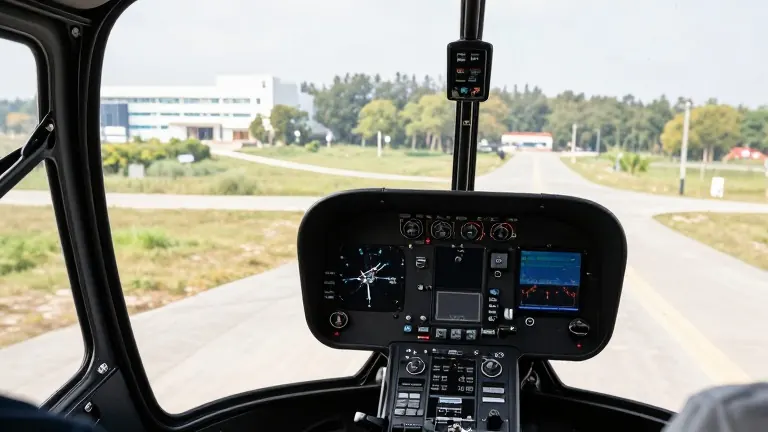
A helicopter crew in Bangor, Maine, is preparing for a medical transport flight. Pilot Will Bradbury walks his team through emergency landing procedures. He tells flight nurse Denise Saucier and paramedic Brian Merklin to watch the terrain if they must exit quickly due to smoke or fire. Saucier folds into the compact cockpit. She has worked for the service for seven years.
The workload is increasing. Since 2015, demand for medical flights in Maine has doubled. In 2025, LifeFlight crews completed 3,031 flights. That averages to more than one flight every three hours. For the current year, demand is up another 10 percent. These flights often move patients from small local hospitals to larger trauma centers because ground ambulance services are strained.
Nicholas George runs the ETHOS Database, a national tracking system for air medical programs. He states that the need for air medical services is increasing year over year. Air ambulances are filling gaps left by rural hospitals that are closing or converting to outpatient facilities. The Congressional Budget Office estimates Medicaid cuts of $911 billion over ten years. These cuts put hundreds more rural hospitals and maternity departments at risk of closing.
LifeFlight of Maine is one of a few independent nonprofit air medical companies in the nation. The industry is largely dominated by for-profit businesses. Mike Abernethy, an EMS expert and retired emergency medicine professor at the University of Wisconsin, calls LifeFlight a model program. He argues there is no comparison in aviation and medical quality between LifeFlight and average for-profit competitors.
Joe Kellner became CEO of LifeFlight in 2023. He is a former paramedic. Under his leadership, the company implemented a six to eight month orientation program called the Critical Care Academy. This training addresses recruitment and retention issues. The company also started a mentorship program for people considering applications. Recently, LifeFlight hired one of its mentees from last year.
Kellner changed the pay structure this year. He raised paramedics' compensation to match that of flight nurses. In the broader industry, paramedics typically earn less, which keeps costs down. Kellner believes this pay equity has helped with recruitment. LifeFlight also hired a full-time mental health counselor. EMS workers experience rates of post-traumatic stress injury, anxiety, and depression more than five times higher than the average American.
Brian Merklin worked for a different service in Nevada during the pandemic. He described the stress of four day shifts and nonstop flying. About a third of the staff quit at that time. Merklin left the profession for a few years. He returned to the field when he found LifeFlight. He now serves on a peer support team at the company.
Merklin notes that many employers pay lip service to mental health costs. He says LifeFlight is the only place he has worked that actually provides support. Kellner argues that counseling is a wise investment. The cost of training a new worker into the organization is about $100,000. If counseling prevents two or three people from leaving, it saves money.
On a recent flight, the helicopter landed on a community hospital rooftop. Merklin and Saucier moved quickly to a patient's side. Most patients are unconscious or too ill to share their stories. The crew stabilizes the patient for transport to a trauma center. This type of incessant trauma exposure makes mental health support invaluable for the staff.