Trump's $5,000 Dividend: A Vote Buyer or Fiscal Gamble?
With Democrats winning majorities in both chambers, the president's Dallas promise now faces a Congress that may have the power to stop it.
By Julian Schulz ·

President Donald Trump staked his party’s midterm campaign on a bold financial pledge, promising a $5,000 payment to every American adult if Republicans retained control of the House and Senate. The offer, branded as the "Trump Dividend," was delivered at the Republican Midterm Convention in Dallas, where Trump told the crowd that "if the Republicans win, you win with us and you get $5,000." The proposal was designed to energize voters by linking their economic relief directly to the outcome of the election, creating a tangible incentive for those frustrated by the cost of living.
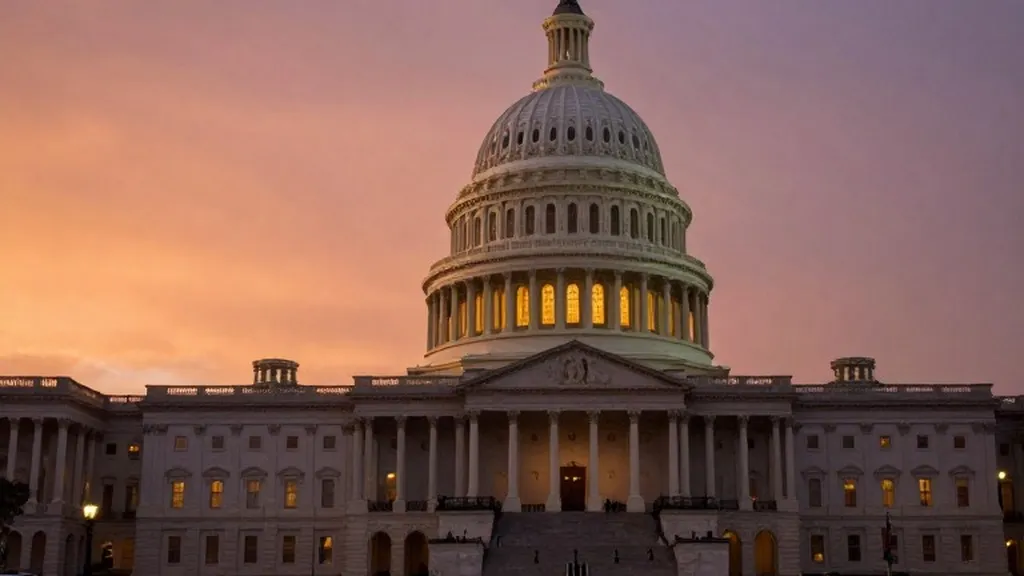
However, the political landscape has shifted dramatically since that promise was made. Democrats have secured majorities in both the U.S. House and the Senate, a result that complicates the implementation of the dividend. The promise was explicitly conditioned on Republicans keeping power in Congress, yet the party has now lost its grip on both chambers. This outcome raises questions about the legal and procedural hurdles the administration faces as it attempts to deliver on a pledge that required the very legislative control it has now surrendered.
Speaker Mike Johnson, the former leader of the House, acknowledged the complexity of the situation. Speaking before the election, Johnson stated that congressional approval would be necessary to fund the payments. He pledged to work toward the goal, calling it a "creative idea" and committing that Congress would "work through it and find consensus." Despite his optimism, the shift in power means that the Democrats, who now hold the majority, will have significant influence over whether the legislation passes and how it is funded.
Trump himself expressed confidence in the plan, telling reporters that the payments would be "easy enough" because the United States is "taking in so much money." He attributed this financial strength to the administration's tariff policies, claiming that the U.S. has never done better in terms of revenue. Yet, fiscal experts have raised concerns about the sheer scale of the cost, estimating that the dividend could total more than $1 trillion, a sum that would add to the national debt and potentially exacerbate inflation.
PolitiFact and other fact-checkers have noted that the biggest payment is far from certain. The White House has not announced a formal plan for how the checks would be distributed, and the administration has not specified a clear funding source that does not rely on revenue projections that have previously been challenged. The fact-checkers highlighted that while the promise was legal under the First Amendment, its execution depends on a legislative process that is now dominated by the opposing party.
Democratic leaders have already signaled that they are prepared to scrutinize the administration’s spending priorities. With a mandate to lower the cost of living, many Democrats are focused on delivering tangible results to voters who felt that prices were rising too quickly. The potential $5,000 checks could become a central point of contention as the new Congress begins its work, with Democrats likely to demand that any such payments be part of a broader economic strategy rather than a standalone political gesture.
Republican allies and strategists are now calling for a shift in focus, acknowledging that the money advantage that helped them in the campaign may not be enough to overcome the structural challenges of a divided government. The loss of the Senate, in particular, means that any legislation facing a potential filibuster will require a 60-vote supermajority, a high bar that could make passing the dividend even more difficult than previously anticipated.
The economic context for the dividend is also complicated by ongoing issues such as the war in Iran and the resulting impact on gasoline prices. Trump has promised that gas prices will "drop like a rock," but many voters remain concerned about the cost of energy and its effect on household budgets. The dividend was intended to offset these costs, but with the administration no longer holding the legislative keys, the timing and feasibility of the payments are now uncertain.
Analysts note that the promise may have served its primary purpose of mobilizing the Republican base in the short term, but its long-term viability depends on the political dynamics of the new Congress. The Democrats, who campaigned on a platform of holding the administration accountable, are likely to view the dividend as an opportunity to test the White House’s fiscal discipline and its ability to deliver on campaign pledges.
As the new Congress prepares to convene, the fate of the Trump Dividend will be a closely watched indicator of the administration’s relationship with the legislative branch. The promise, once a centerpiece of the Republican campaign, now stands as a test of whether the two parties can find common ground on a major economic issue or whether the payment will become another example of a political pledge that proved difficult to keep.
The next steps will likely involve discussions between the White House and the new leadership in Congress to determine if there is a path forward for the legislation. For now, the $5,000 checks remain a promise rather than a policy, with their future dependent on the complex negotiations that lie ahead in the new political era.