NASA Panel Pegs Starship Launches Needed
A safety adviser says the flight count to fuel a lunar lander could reach 22.
By Juan Gonzalez ·
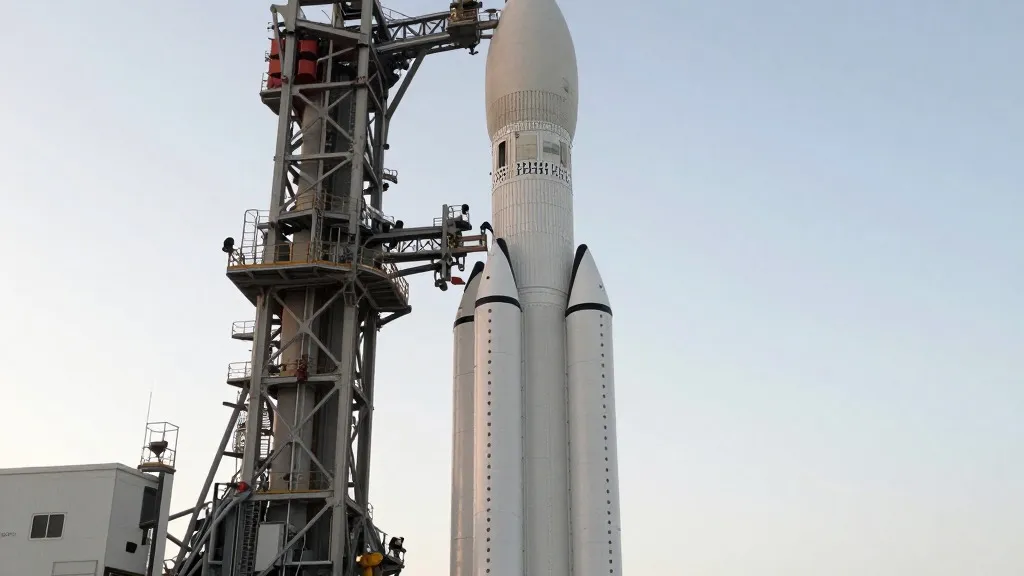
NASA's Aerospace Safety Advisory Panel on Thursday discussed risks tied to returning humans to the Moon, with member Charlie Precourt, a former agency astronaut, addressing the number of SpaceX Starship flights needed to send a lander toward the Moon. The flight count required to fuel a lander in orbit has been closely held by the agency, which has declined to commit to a specific figure for years. Precourt's remarks mark the latest public attempt to quantify what is needed for a lunar landing.
Precourt said 22 launches would be required to fuel a Starship-based lunar lander in low-Earth orbit so it can fly to the Moon, set down on the surface, and return to lunar orbit. The figure represents a significant increase over earlier guidance. In 2023, then-director of NASA's Human Landing System program Lisa Watson-Morgan said she was reluctant to provide a precise number, stating, "We have a general idea, but I'm reluctant to say exactly what that is." She later placed the figure in the "high single digits to the low double digits," suggesting roughly a dozen launches. Other officials have cited numbers in the high teens.
A typical mission profile to refuel a lander would involve launching a depot Starship followed by tanker flights to transfer liquid oxygen and methane propellant into the depot. The goal has been for SpaceX to increase Starship's lift capacity so fewer tanker flights are needed. Concerns have emerged among some NASA officials that such improvements are not arriving fast enough for Starship to play a meaningful role in returning humans to the Moon under Artemis this decade. The panel meeting took place Thursday.
The estimate carries weight because the number of launches directly affects the timeline and cost of a lunar landing mission. A higher count would require more flights, more time, and more resources to ready a lander for a journey beyond Earth orbit. The agency has avoided committing to a figure in the past, with officials declining to state a specific number when asked. The remarks from Precourt provide a fresh data point in an ongoing conversation about how to send astronauts to the Moon.
The exchange also underscores a broader question about how to fuel a spacecraft for a trip to the Moon. NASA has no nuclear weapons program, yet it treats this particular figure with a level of secrecy that rivals the protection of sensitive codes. The agency's reluctance to confirm a number has been a consistent posture. The safety panel discussion puts a specific figure on the record at a time when questions about the program's schedule and capabilities are under review.
Source: Ars Technica