Congress Faces Lame Duck Sprint
Newly elected Democrats arrive on Capitol Hill as Republicans prepare for leadership battles and an impeachment vote.
By Julian Schulz ·
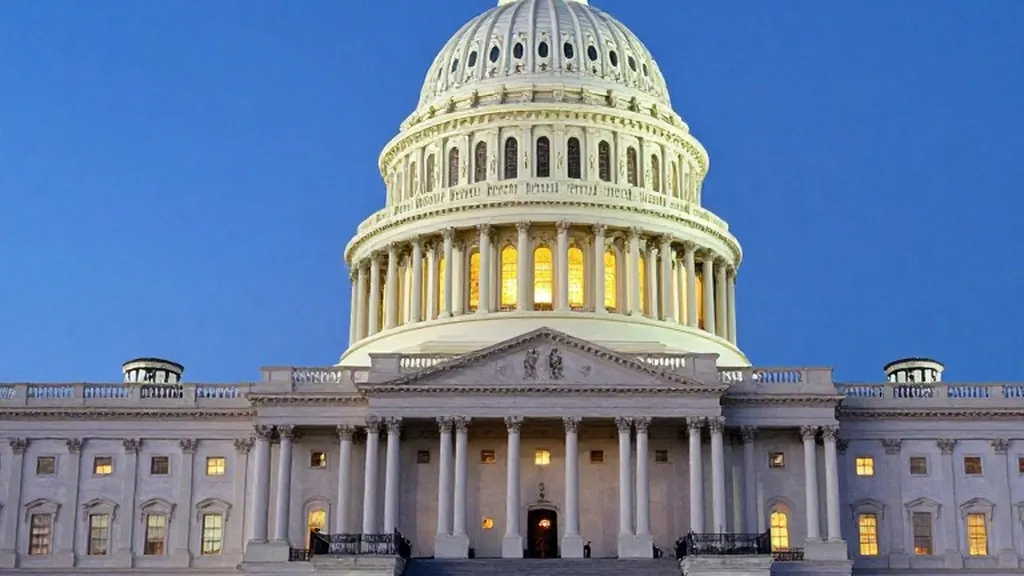
Congress convened on Monday, Nov. 9, following a midterm election cycle in which Democrats defeated Republicans in a decisive sweep. The return to Washington marked a sharp shift in power dynamics, with newly elected Democratic lawmakers arriving in large numbers while Republican representatives returned in smaller groups. President Donald Trump, who spent the weekend in Florida, also returned to the capital to defend his administration amid the political transition.
The immediate legislative agenda centers on a six week lame duck session before the new Congress takes office on Jan. 3, 2027. Lawmakers must pass a government funding package to avoid a federal shutdown by mid December. They also aim to finalize the annual defense authorization bill, which has been passed nearly every year since World War II. That bill currently faces complications due to disputes over funding for the Iran war and military aid to Israel.
A central point of conflict is the expected vote to impeach Defense Secretary Pete Hegseth. Republican Rep. Thomas Massie of Kentucky introduced the resolution over objections from House leadership. Momentum for the impeachment grew after many Republicans attributed their election losses to the administration’s handling of the conflict in Iran. House Speaker Mike Johnson, who remains in his role until the new session, previously attempted to block a vote in September by ending proceedings early. It remains uncertain whether Johnson can prevent the vote from advancing this time.
Trump defended Hegseth in a statement to reporters on Sunday night. He argued that the secretary was guilty of winning two wars. Trump stated that he believed the administration saved the Middle East and Israel, making it difficult to impeach someone for those actions. House Democratic leader Hakeem Jeffries, who appeared on ABC News on Sunday, predicted wide support for the resolution. He described Hegseth as having abused his power and engineered a reckless war.
The arrival of the new Congress coincides with a change in the White House. President Trump tapped Stephen Miller, a senior aide known for shaping the administration’s domestic policy agenda, as his new chief of staff. Miller assumed the role on Monday. This appointment is expected to signal a more direct confrontation between the executive branch and the incoming Democratic majority.
Leadership elections for both chambers are scheduled for this week. In the House, Republicans will choose a new speaker after Mike Johnson decided to step aside. The contest will feature Rep. Steve Scalise of Louisiana and Rep. Jim Jordan of Ohio. Their previous clash for the speakership three years ago ended without a clear winner, leading to Johnson’s rise. With a reduced number of Republican seats, members may seek a wholesale change in leadership strategy.
In the Senate, Majority Leader John Thune is expected to retain his position, though his party will become the minority. Democrats flipped seats in Texas and Kansas, securing key victories. Sen elect. Abdul El Sayed of Michigan and Sen elect. Adam Hamilton of Kansas declined to publicly support Senate Democratic Leader Chuck Schumer’s bid to serve as majority leader. However, no challenger has formally emerged for the position. Hamilton told CNN on Sunday that the party needs a leader who brings fresh ideas.
In the House, Hakeem Jeffries is on track to become the first Black speaker of the House. He faces skepticism from progressive members of the party. Rep. Greg Casar of Texas, chairman of the Congressional Progressive Caucus, held a press conference on Sunday alongside several newly elected lawmakers. Casar emphasized that the party’s focus during orientation was on policy rather than individual personalities. He stated that the goal is to set a progressive path forward.