Tesla FSD owners to drive only in Robotaxi zones by mid-2027
Tesla has narrowed its unsupervised driving promise to specific managed areas, requiring owners to join the Robotaxi network rather than having full control over their own vehicles.
By Julian Schulz ·
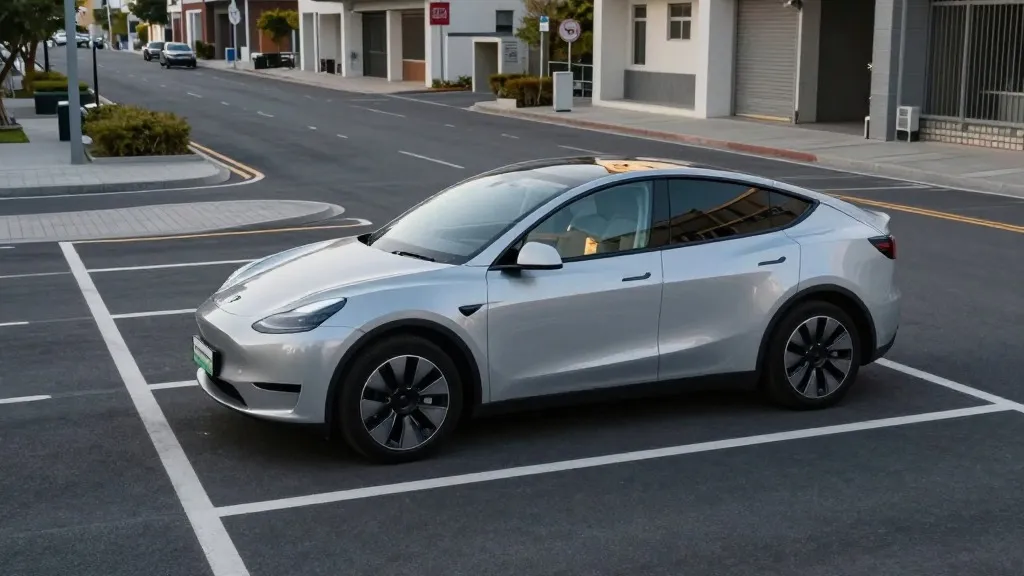
If you own a Tesla and bought Full Self-Driving software expecting to eventually fall asleep in the passenger seat while your car takes you anywhere, the definition of that freedom has just changed. The company now says unsupervised driving will arrive in the second quarter of 2027. However, this feature will not work in your car anywhere on the map. Instead, your vehicle must operate within specific zones where Tesla is already running its Robotaxi service.
The specific details were shared on the company’s third-quarter 2026 earnings call. Ashok Elluswamy, the head of AI, explained that the plan involves owners adding their personal vehicles to the managed Robotaxi fleet. This means the car drives itself only where Tesla controls the operation. It is not a general software update that grants you total autonomy on open roads. The vehicle joins a specific network, and it stays on that network’s defined routes.
This answer came directly in response to a top question from retail shareholders. That question asked when customers could expect unsupervised FSD in their own cars. The question was supported by roughly 1.1 million shares. Elluswamy confirmed the Q2 2027 timeline but clarified that the first step is integration into the existing Robotaxi system rather than a standalone personal mode.
The geographic limits of this new feature are currently quite small. Tesla’s Robotaxi service is active in six US metropolitan areas. In cities like Miami, the service covers small sections of West Miami and strips toward Doral and Sweetwater. Orlando and Tampa launched in July with similarly limited boundaries. Within these areas, the cars stick to low-speed routes, avoid highways, and skip the more complex parts of town.
The current scale of the operation is also modest. Tesla reported that its Robotaxi fleet reached nearly 2 million cumulative unsupervised miles by the end of the third quarter. This was one month after the Cybercab model joined the Austin fleet. Third-party tracking data from this spring showed only dozens of fully driverless Teslas on the road. This is far fewer than the hundreds of thousands of vehicles that Elon Musk has previously discussed.
There are also regulatory hurdles in specific regions. In the Bay Area, the service is not fully unsupervised. California rules require a safety driver in every car because Tesla has not released the necessary data to the California DMV. This data release is required for systems beyond level 2 autonomy. Tesla prefers to keep this data internal for now, which prevents fully driverless operations in that state.
This new structure differs significantly from the original sales pitch. For years, the promise to buyers was that a software update would allow the car to drive itself anywhere. In July 2025, Musk told investors that unsupervised FSD would be available for personal use by the end of that year in certain geographies. A year before that, he expressed surprise if Tesla did not have the technology by the following year.
Owners with older hardware, specifically HW3, face additional complications. These drivers have been told their computers cannot run unsupervised FSD at all, and there is no clear plan for an upgrade. The current target of Q2 2027 represents a narrower product: your car joins Tesla’s fleet, in Tesla’s zones, on Tesla’s terms. It removes the ability to take long highway trips or drive across town without supervision, unless your home and work are both inside a designated zone.
Elluswamy noted that safety remains the main bottleneck. He believes these issues will be resolved by next year, though he admitted the company is still working through the details. The shift means the goal has moved from a car that drives you anywhere to a car that works as a Robotaxi inside a controlled geofence. For buyers, this is a significant change in what the software actually delivers.
More Business · Consumer Watch · Report a business · Got a Story?