Courts Step In as Election Day Rules Take Center Stage
Federal judges have issued orders in Alaska and California regarding noncitizen voting, while the Postal Service expands operations to ensure mail ballots are counted.
By Nia Foster ·

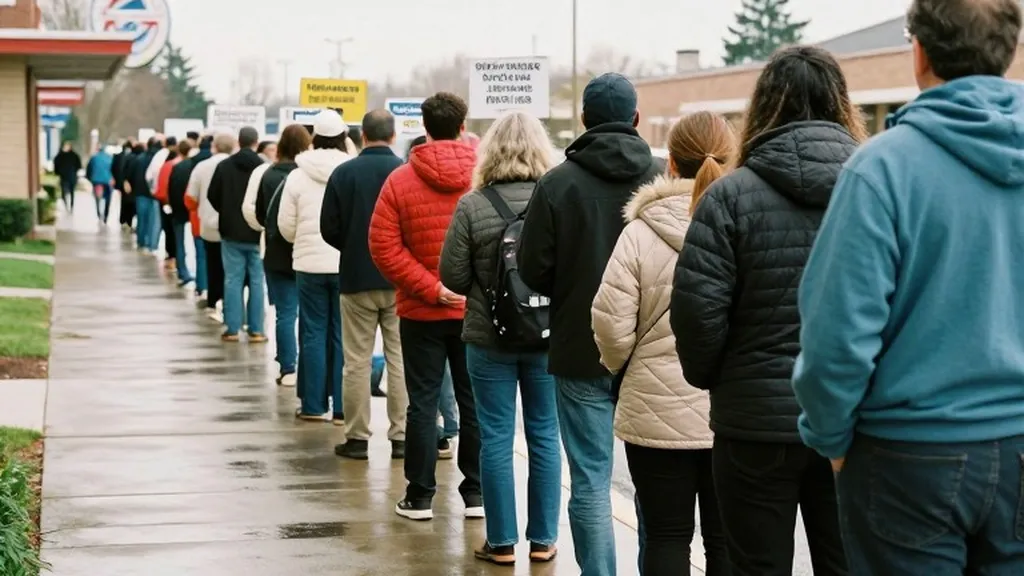
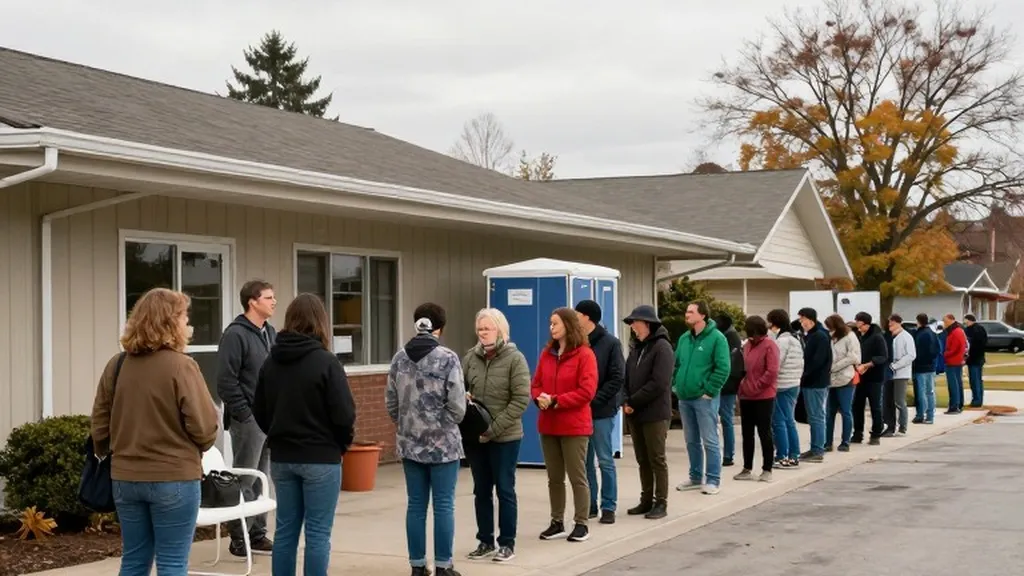
The legal landscape surrounding the November 3 midterm election shifted significantly on Monday as federal courts intervened in disputes over voting rules. A federal judge temporarily barred the Trump administration from executing a plan designed to prevent noncitizen voting, a move that critics argue risks disenfranchising eligible voters and infringes upon state authority. This development occurred alongside a separate order requiring the administration to stop demanding that California election officials segregate ballots cast by individuals listed as suspected noncitizens. These rulings arrive at a critical juncture, with more than 57 million people having already cast their ballots prior to the official start of polling places.
The interventions highlight the ongoing tension between federal oversight and state management of elections. In California, the judge's order specifically addressed the handling of mail-in ballots, a primary method of voting in the state. The administration's demand for segregation was viewed by some legal experts as an attempt to create administrative hurdles for a specific group of voters. By halting this requirement, the court allowed election officials in California to proceed with standard counting procedures without the additional step of separating potentially disputed ballots. This decision aims to streamline the process and reduce the potential for delays in certifying results.
Meanwhile, in Alaska, the Trump administration has filed a lawsuit related to the certification of the Senate result. This legal action adds another layer of complexity to the race between Republican Senator Dan Sullivan and his Democratic opponent. The lawsuit is part of a broader strategy by the administration to scrutinize election processes in key battleground states. Democrats have expressed concern that these legal maneuvers could lead to intimidation of local election officials, particularly as the Justice Department has threatened to prosecute those who manage the vote. The Alaska Senate race is considered a toss-up to lean Democratic, making the legal environment in that state a focal point for both parties.
Beyond the courtroom, the U.S. Postal Service has implemented specific measures to support the election. The agency added extra hours, increased staff numbers, and opened special lines to ensure that mail ballots are counted on time. This logistical effort is crucial in states where mail voting is prevalent, such as California, Colorado, Hawaii, Nevada, Oregon, Utah, Vermont, and Washington. The Postal Service's actions are intended to mitigate the risk of ballots being delayed or lost, a common concern in high-stakes elections. By bolstering its capacity, the agency aims to facilitate a smoother transition from ballot collection to final counting.
The legal and logistical developments occur against a backdrop of high voter engagement. The Associated Press reports that the election is being viewed as a referendum on President Trump's second term, with many voters expressing frustration over high prices and an unpopular war with Iran. Polling data indicates that only 35 percent of U.S. adults approve of the president's job performance, while approximately seven in ten believe the country is heading in the wrong direction. These sentiments are likely influencing voter turnout, as candidates from both parties emphasize the stakes of the midterms. The outcome will determine which party controls Congress for the final two years of the current presidential term.
Republicans are bracing for potential losses in the House while fighting to retain the Senate. The party's strategy has relied heavily on significant financial resources, with Republican committees out-raising and out-spending their Democratic counterparts. This financial advantage has been bolstered by groups affiliated with President Trump and billionaire Elon Musk. However, Democrats have maintained a lead in candidate-level fundraising, suggesting a competitive race on the ground. The distribution of ad spending has been strategic, with the vast majority of Republican television advertising focused on states and districts that President Trump won in the 2024 election. This approach aims to consolidate support in areas where the party has a stronger base.
Democrats, described as cautiously optimistic, are focusing on the cost of living and oversight of the administration as key themes. House Democratic Leader Hakeem Jeffries has outlined a 100-day agenda that prioritizes these issues if his party gains control of the House. A strong performance by Democrats could also boost the profiles of potential 2028 presidential candidates, including Gavin Newsom, JB Pritzker, and Pete Buttigieg. The party hopes to break the historical midterm pattern of losing seats, though the new congressional maps in states like California, Florida, and Texas may present challenges. These redistricting efforts have been a central part of the Republican strategy to maintain their legislative majority.
The Senate race is particularly competitive in thirteen states, with several races rated as toss-ups or leaning toward one party. In Maine, Senator Susan Collins faces a challenge from Troy Jackson, with the race being described as a toss-up by major political analysts. In Alaska, the legal disputes add an element of uncertainty to the contest between Dan Sullivan and his opponent. The outcome of these races will be closely watched, as they could determine the balance of power in the upper chamber. The special elections in Florida and Ohio also play a significant role, with the winners serving the remainder of the terms previously held by Marco Rubio and JD Vance.
Governor races in 36 states are also on the ballot, with Democrats seeking to hold a majority of governorships for the first time in two decades. Key matchups include the race in Georgia, where Republican Rick Jackson faces Democrat Keisha Lance Bottoms, and the contest in Ohio, where Vivek Ramaswamy competes against Amy Acton. These races are seen as indicators of the broader political mood and could influence the party's strategy in future elections. The Postal Service's expanded operations and the court rulings in Alaska and California are expected to play a significant role in the final outcome, as both parties prepare for the possibility of close results and potential legal challenges.