Iran War Costs Drive Midterm Vote as Democrats Seek Oversight
Voters face high prices and an unpopular conflict with Iran, creating a critical referendum on the administration's handling of foreign policy and domestic spending.
By Nia Foster ·

The war with Iran has emerged as a central issue in the November 3 midterm elections, complicating the political landscape for both parties. The Associated Press describes the election as a referendum on President Donald Trump's second term, noting that voters are struggling with high prices and are angry over an unpopular war with Iran. This conflict intersects with broader economic concerns, as approximately 7 in 10 U.S. adults say the country is heading in the wrong direction according to AP-NORC polling. Only 35% of adults approve of the president's job performance, while just 25% approve of his handling of the economy. Most respondents blame the president for high prices, a sentiment that is further amplified by the financial and political costs associated with the ongoing military engagement.
The result of the election could significantly influence the trajectory of the Iran conflict and the administration's ability to manage it. If Democrats win control of either chamber of Congress, investigations and possible impeachment proceedings become likely. House Democratic Leader Hakeem Jeffries, who would be the first Black speaker if his party secures the majority, has outlined a 100-day agenda focused on the cost of living and oversight. This agenda suggests a more scrutinizing approach to executive actions, including those related to foreign policy and military spending. Conversely, if Republicans hold the Senate, they may maintain a stronger check on potential Democratic-led investigations, allowing the administration more latitude in managing the war and its aftermath.
The financial burden of the war and the broader economic environment has been a driving force in voter sentiment. The Associated Press reports that the 2026 elections are likely to be the most expensive in history, with Republican committees outraising and outspending Democratic committees at the committee level. This spending was helped by Trump-affiliated groups and Elon Musk. However, at the candidate level, Democrats outraised their opponents. The intense spending reflects the high stakes of the race, where one or two seats could tip either chamber. Republicans were bracing to lose the House while fighting to hold the Senate, and Democrats expressed cautious optimism about their chances. The war with Iran adds another layer of complexity to these financial battles, as voters weigh the cost of military action against the cost of living at home.
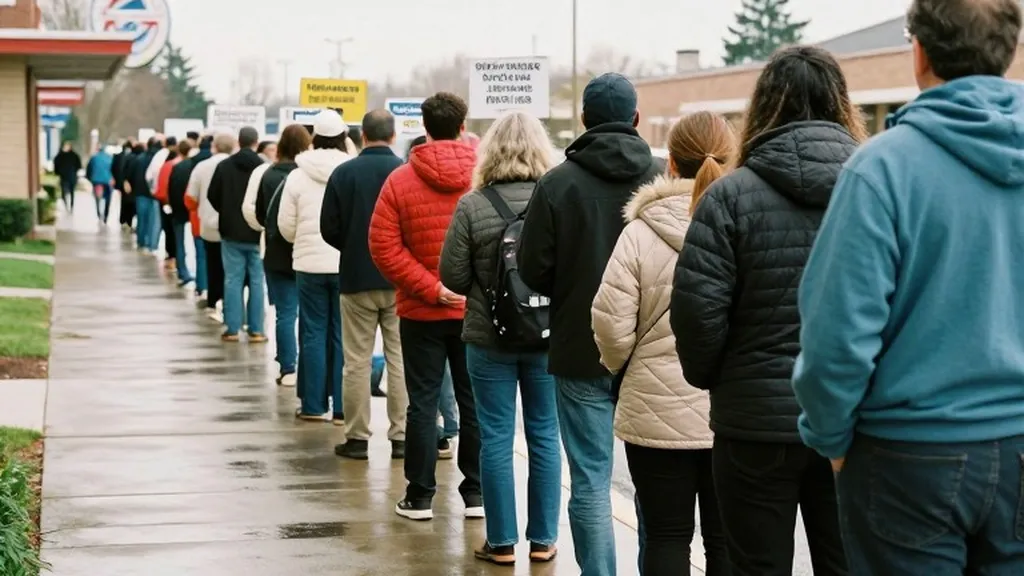
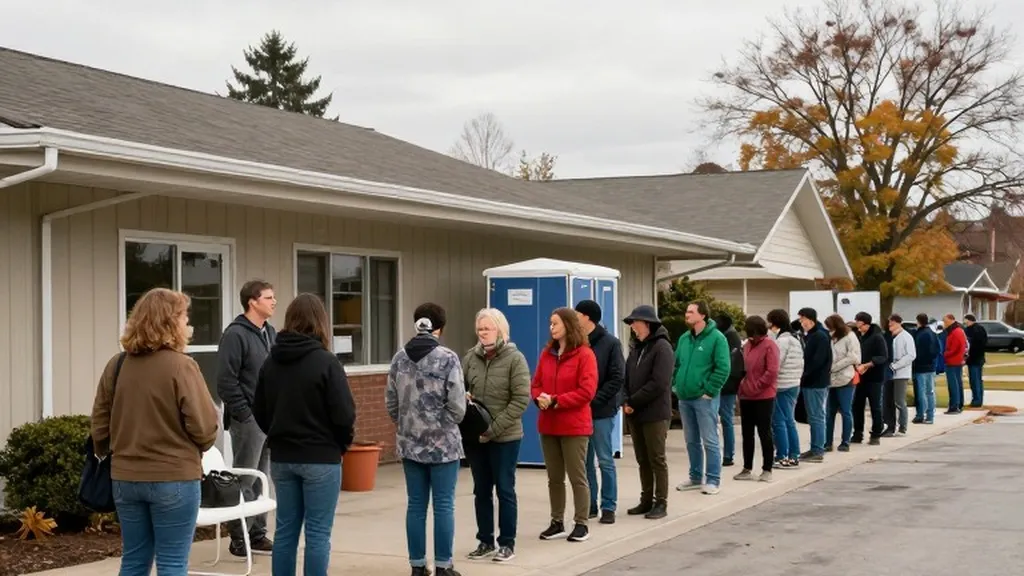
Voters are actively engaging in this debate, with more than 57 million people having already voted as of Monday. This number surpasses the early vote of four years ago in many closely watched states. In North Carolina, James Moore, a 57-year-old librarian, noted that he is paying more taxes, more for health care, and more for everything. His comments reflect the widespread concern about economic strain that is often linked to the broader policy environment, including the war. In Palm Beach Gardens, Florida, voter Mark Barker said he has been following Trump the whole time and thinks he is doing an awesome job. These differing perspectives highlight the divided nation as it heads to the polls to decide who will control Congress for the final two years of the current presidential term.
The administration's handling of the war and related voting issues has also drawn attention to election integrity. Trump has continued to make claims about voting fraud, including that noncitizens vote in large numbers. His administration filed lawsuits in Alaska and California, and Democrats fear interference and intimidation as the Justice Department threatens to prosecute local election officials. A federal judge temporarily barred the administration from carrying out a plan it says would prevent noncitizen voting, while another judge ordered the administration to stop demanding that California election officials segregate certain ballots. These legal battles, while distinct from the Iran war, contribute to the overall mood of uncertainty and tension surrounding the election. The administration's aggressive stance on voting rules may influence turnout and confidence in the electoral process, particularly in close races that could determine which party controls the levers of power over foreign policy.
The war with Iran also has implications for the broader geopolitical strategy and domestic priorities of the incoming congressional majority. If Democrats gain power, they may seek to impose stricter oversight on military operations and spending. This could lead to more detailed hearings and reports on the war's objectives, costs, and outcomes. If Republicans maintain control, they may work to streamline the process and avoid perceived obstacles to the president's agenda. The outcome of the Senate race is particularly important, as the winner begins a six-year term on January 3, 2027. The 13 Senate battlegrounds include states like Georgia, Michigan, and North Carolina, where the margin of victory in the 2024 presidential election was narrow. In these states, the war with Iran may be a deciding factor for undecided voters who are concerned about the long-term implications of the conflict for the nation's safety and economy.
The governor races also reflect the national mood regarding the war and the economy. Democrats are defending five governorships in states that Trump won in 2024, including Arizona, Kansas, Michigan, Pennsylvania, and Wisconsin. Republicans are defending two in states that Harris won, New Hampshire and Vermont. The Associated Press calls Texas, Florida, and Iowa competitive governor races. The outcome of these races will determine which party controls the majority of governorships nationwide. Democrats hope to hold a majority for the first time in two decades, a shift that could influence how the war is managed at the state level, particularly regarding economic impacts and local responses to global events. The war with Iran serves as a backdrop to these local contests, reminding voters of the interconnected nature of domestic and foreign policy.