Trump's $5,000 dividend: A costly bet on GOP control
The President's promise of a universal payout faces legal hurdles and bipartisan skepticism as voters head to the polls on Election Day.
By Julian Schulz ·
President Donald Trump is facing Election Day with a high-stakes financial promise that has dominated the final week of the midterm campaign. At the Republican National Convention in Dallas, the President pledged to send a $5,000 payment to every adult American citizen if Republicans maintain control of both the House and Senate. He branded the initiative the Trump Dividend, framing it as a reward for voters who keep his party in power on Capitol Hill during the final two years of his term.
The promise arrived at a moment when the cost of living remains a central concern for voters. According to a recent Associated Press and NORC Center for Public Affairs Research poll, only 35% of U.S. adults approve of the President's job performance, while about seven in ten say the country is heading in the wrong direction. Most respondents blame the administration for high prices, a sentiment that makes the prospect of a new trillion-dollar spending measure a contentious one for both parties.
While the President initially suggested that Congress might not need to authorize the payments, House Speaker Mike Johnson clarified the procedural reality on Sunday. Speaking on CNN's State of the Union and NBC's Meet the Press, Johnson stated that congressional approval is required for the dividend to move forward. He described the proposal as a creative idea and committed to working through the legislative process to find consensus, despite the slim Republican majority in the House.
The potential cost of the dividend is staggering, with estimates placing the price tag at more than $1 trillion. This figure would place significant strain on the federal budget, which is already facing an annual deficit of nearly $1.8 trillion. PolitiFact noted that the administration has not released a formal plan for how the funds would be distributed or paid for, leaving many details unclear for voters who are trying to weigh the promise against current economic realities.
The President has pointed to strong tariff revenues as a potential funding source for the checks. However, fiscal experts have raised doubts about this approach. Erica York, a senior economist at the Tax Foundation, calculated that the cost of the $5,000 checks would consume almost all the revenue projected from new tariffs over a decade. This analysis follows the Supreme Court striking down most of the President's earlier tariffs, which has further complicated the revenue stream he cites as the basis for the dividend.
Bipartisan criticism has emerged regarding the timing and the substance of the promise. Some Republicans, including Texas Representative Chip Roy, have questioned whether such a large payout promotes dependency. Roy wrote on social media that dependency is evil and soul-sucking in all its forms, signaling that not all members of the President's own party are convinced of the policy's long-term wisdom or political safety.
Democratic leaders have also weighed in on the proposal, viewing it as an attempt to buy votes in a crucial election. The criticism highlights the tension between campaign rhetoric and legislative feasibility. While election law experts like Rick Hasen of the UCLA School of Law have noted that the promise is likely protected under the First Amendment as a campaign pledge, they have also questioned the practical ability of the White House to deliver the checks without full congressional cooperation.
The President defended the plan in an interview with Fox News, arguing that the United States is taking in $21 trillion in revenue, a figure he described as four or five times higher than any other country. He attributed this financial strength to the administration's tariff policies. White House spokesperson Davis Ingle echoed this sentiment, stating that the President has consistently proven his doubters wrong and drawing a contrast with what the administration views as the Democratic record of inflation and economic weakness.
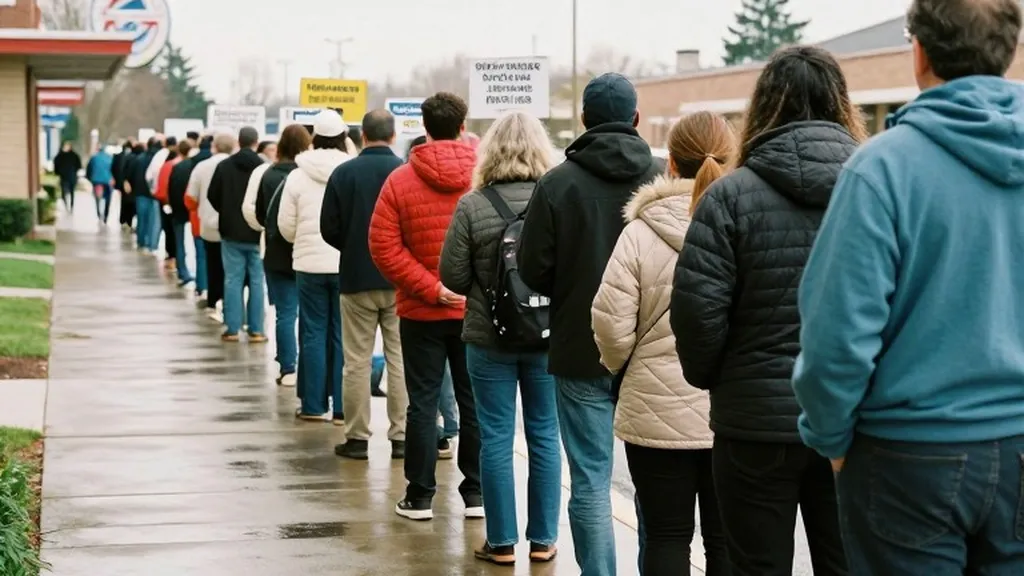
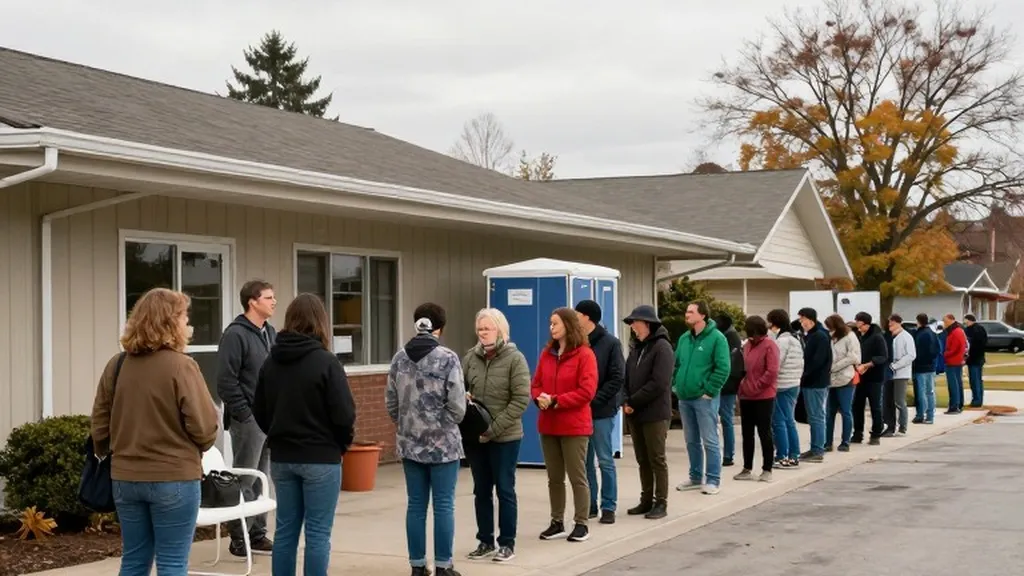
As polls open across the nation, voters are deciding who will control Congress in a race that could determine the fate of this and other legislative priorities. The House and Senate races are closely contested, with Democrats needing a net gain of four Senate seats and three House seats to claim a majority. The outcome will directly impact the President's ability to pass the legislation necessary to fund the Trump Dividend and other parts of his agenda.
The election also carries implications for the broader economic outlook, including the management of the national debt and the ongoing strain on consumer prices. If Republicans lose control of either chamber, the President's ability to push through major spending bills becomes more difficult. This dynamic has led some analysts to view the dividend not just as a policy proposal, but as a strategic gambit that could influence voter behavior in the final hours of the campaign.
With more than 57 million people having already voted, the election is shaping up to be one of the highest-turnout midterms in recent history. The stakes extend beyond the simple arithmetic of seats; they involve the direction of the federal budget and the credibility of the President's economic promises. As the final votes are cast, the question of whether the Trump Dividend is a viable policy or a political slogan remains a focal point for the electorate.