House 2026: A Three-Seat Margin and 46 Battlegrounds Define Midterm Stakes
Democrats need a net gain of three districts to reclaim the majority, while new congressional maps in seven states and a significant Republican spending advantage complicate the race for control of the chamber.
By Tomas Gonzalez ·
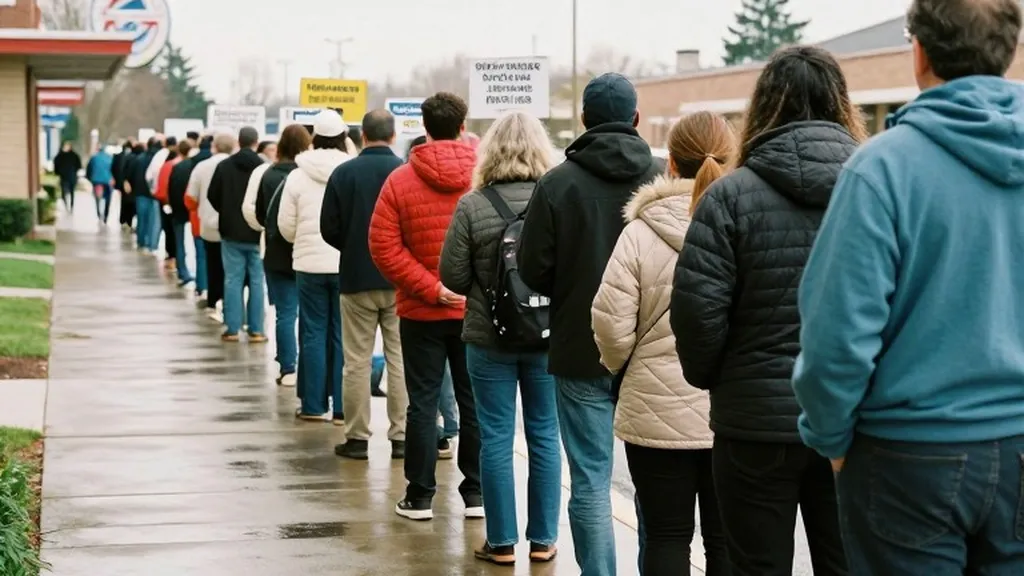
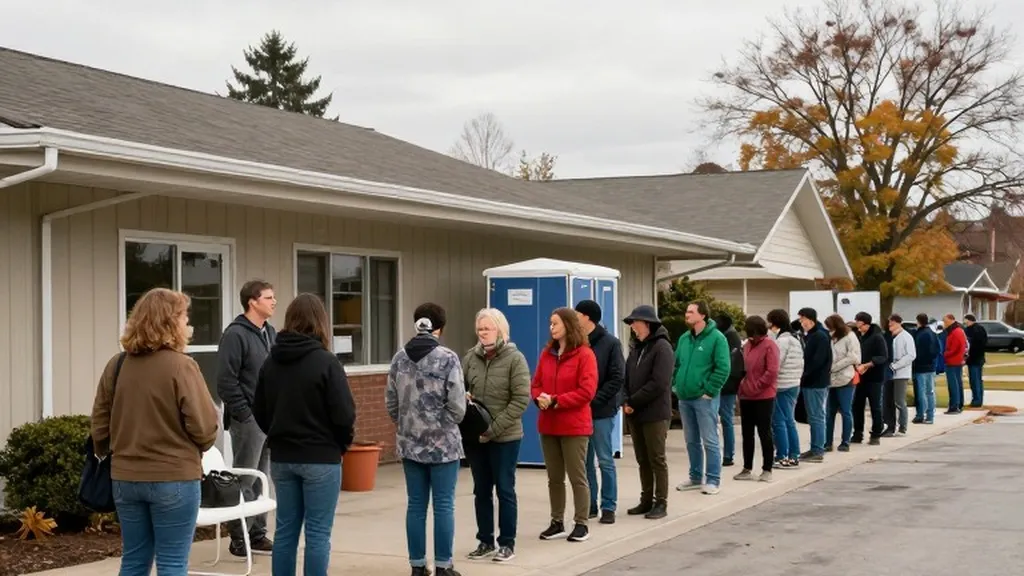
As polls open across the country on Election Day, the fight for the U.S. House of Representatives has narrowed to a razor-thin margin that could define the balance of power in Washington for the next two years. All 435 seats are on the ballot, and the current composition of the chamber is split 218 to 214 in favor of the Republicans, with one independent holding a seat. This configuration means that Democrats must achieve a net gain of three districts to secure a majority, a target that requires them to win more seats than they currently hold. Conversely, Republicans can afford to lose no more than two seats to maintain their control. The Associated Press notes that this narrow margin places an intense spotlight on the specific outcomes in the most competitive districts.
According to Ballotpedia, 46 districts are considered battlegrounds, with 25 currently held by Democrats and 21 by Republicans. These contests are critical because they represent the primary opportunities for either party to shift the overall tally. The complexity of this year's election is further heightened by the fact that 60 House incumbents, comprising 23 Democrats and 37 Republicans, have chosen not to run again. This high rate of turnover creates open seats and competitive races in areas that were previously considered safe, forcing voters to evaluate new candidates and shifting the dynamic of local campaigns.
The geographic landscape of the election has been altered by redistricting in seven states: California, Florida, Missouri, North Carolina, Tennessee, Texas, and Ohio. These new congressional maps have redrawn boundaries that will determine which voters are grouped together for this election and future contests. The AP reports that while Republicans attempted to use redistricting to protect their seats, the new districts in states like Florida may not vote as initially predicted. For Democratic voters, these maps present both challenges and opportunities, as some new districts may be more favorable to their base while others remain heavily Republican.
Financial resources play a significant role in shaping the campaign environment, with the 2026 elections likely to be the most expensive in history. Republican committees have outraised and outspent their Democratic counterparts, aided by contributions from Trump-affiliated groups and major donors such as Elon Musk. However, at the candidate level, Democrats have managed to outraise their opponents. An analysis by the AP of AdImpact data shows that 88.1% of Republican general election TV ad spending has gone to states and districts that Donald Trump won in 2024. This includes more than $850 million in spending in areas where he won by 10 points or more, suggesting a strategy focused on consolidating support in Republican-leaning territories.
For Democrats, the path to a majority involves navigating a mix of competitive districts and strategic targets. Ballotpedia data indicates that 21 districts currently held by Democrats voted for Trump in the 2024 presidential election, while nine districts held by Republicans voted for Kamala Harris. These overlapping areas are where the campaign efforts are most intense, as both parties seek to convert or retain these voters. The AP describes the election as a referendum on the president's second term, with many voters expressing frustration over high prices and an unpopular war with Iran. This sentiment is driving Democratic messaging, which focuses on the cost of living and the need for oversight of the administration.
The political mood is characterized by a combination of anger and cautious optimism among Democratic supporters. Rep. Suzan DelBene, the chair of the Democratic Congressional Campaign Committee, stated that the American people are angry and want change. This sentiment is echoed in polling data from AP-NORC, which shows that 35% of U.S. adults approve of Trump's job performance, while only 25% approve of his handling of the economy. About seven in 10 adults say the country is heading in the wrong direction, and most blame the president for high prices. These statistics provide a foundation for the Democratic argument that a change in House leadership is necessary to address economic concerns and conduct effective investigations.
Republicans, led by RNC Chairman Joe Gruters, are bracing for the possibility of losing the House while fighting to hold the Senate. Gruters emphasized that everything depends on turnout, stating that if they can turn out their voters, they will win. The party is leveraging the midterm pattern, which historically sees the president's party lose seats, but is using redistricting and significant funding to counter this trend. The AP notes that one or two seats could tip the balance in either chamber, making the election a high-stakes contest where small margins in specific districts will determine the overall outcome.
The election also carries implications for the broader political landscape, including the potential for increased oversight and investigations if Democrats gain control. House Democratic Leader Hakeem Jeffries, who would become the first Black speaker if his party wins, has outlined a 100-day agenda focused on the cost of living and oversight of the administration. A strong Democratic performance would also boost the profiles of potential 2028 candidates such as Gavin Newsom, JB Pritzker, and Pete Buttigieg. Conversely, a Republican hold would solidify the party's position ahead of the next presidential cycle and complicate the path for Vice President JD Vance.
As voters head to the polls, the administrative aspects of the election have been a point of contention. A federal judge temporarily barred the Trump administration from implementing a plan to prevent noncitizen voting, a move that critics say could disenfranchise eligible voters. The administration also sued in Alaska and California regarding ballot certification and the segregation of ballots cast by suspected noncitizens. These legal battles add a layer of uncertainty to the election day process, with Democrats fearing interference and intimidation as the Justice Department threatens to prosecute local election officials. The U.S. Postal Service has added hours and staff to ensure mail ballots are counted on time, addressing concerns about the volume of early voting.