Trump rallies dozens of times as Democrats brace for fraud claims
With polls open, the president's high profile campaign contrasts with Republican candidates who are keeping their distance amid low approval ratings and legal battles over voting.
By Tomas Gonzalez ·
President Donald Trump held dozens of rallies across the country in the final days before this midterm election, a strategy designed to keep his name at the center of the ballot even though he is not running for office. The Associated Press reports that the president ended his recent schedule in Salina, Kansas, where he told supporters, "I really want you to pretend I'm on the ballot." This direct appeal to voters underscores his role as the de facto candidate for the Republican Party in a contest that will determine the balance of power in Congress for the final two years of his second term.
The political atmosphere is charged with a mix of optimism and anxiety. According to AP-NORC polling, 35 percent of U.S. adults approve of Trump's job performance, while only 25 percent approve of his handling of the economy. About seven in 10 Americans say the country is heading in the wrong direction, and most blame the president for high prices. These numbers provide a backdrop for a referendum on the administration's first two years, with many voters citing the cost of living and an unpopular war with Iran as primary concerns.
Despite the president's active presence, many Republican candidates have kept a careful distance from him. This strategic distance is evident in key Senate races, such as in North Carolina, where former Governor Roy Cooper faces Michael Whatley, a former Republican National Committee chair. The Associated Press notes that Tillis retired after clashing with Trump, highlighting the internal party dynamics. In Texas, Republican Attorney General Ken Paxton, whom Trump backed over Senator John Cornyn in the primary, faces Democrat James Talarico. These matchups illustrate how candidates are navigating the complex relationship between their party's leader and the voters in their districts.
The Democratic Party is approaching the day with cautious optimism, driven by the anger of voters over economic conditions. DCCC Chair Rep. Suzan DelBene stated, "The American people are angry. They want change." Democrats need a net gain of three House districts and four Senate seats to achieve a majority in both chambers. With 435 House seats and 35 Senate seats up for grabs, the margins are thin. Ballotpedia identifies 46 battleground districts in the House and 13 competitive Senate races, making turnout and efficiency in close states critical for both parties.
One of the most significant challenges facing the election is the administration's push to police the vote. Trump has continued to make false claims about voting fraud, including the assertion that noncitizens vote in large numbers. The Associated Press reports that his administration sued in Alaska and California, and Democrats fear interference and intimidation as the Justice Department threatens to prosecute local election officials. A federal judge temporarily barred the administration from carrying out a plan to prevent noncitizen voting, while another judge ordered the administration to stop demanding that California segregate ballots cast by people on its lists of suspected noncitizens.
The financial stakes of this election are historic. The 2026 elections are likely to be the most expensive in history, with Republican committees outraising and outspending Democratic committees. This advantage is partly driven by Trump-affiliated groups and Elon Musk. According to AP analysis of AdImpact data, 88.1 percent of Republican general election TV ad spending went to states and districts Trump won in 2024, including more than $850 million in areas where he won by 10 points or more. In contrast, at the candidate level, Democrats outraised their opponents, indicating a different strategy for resource allocation.
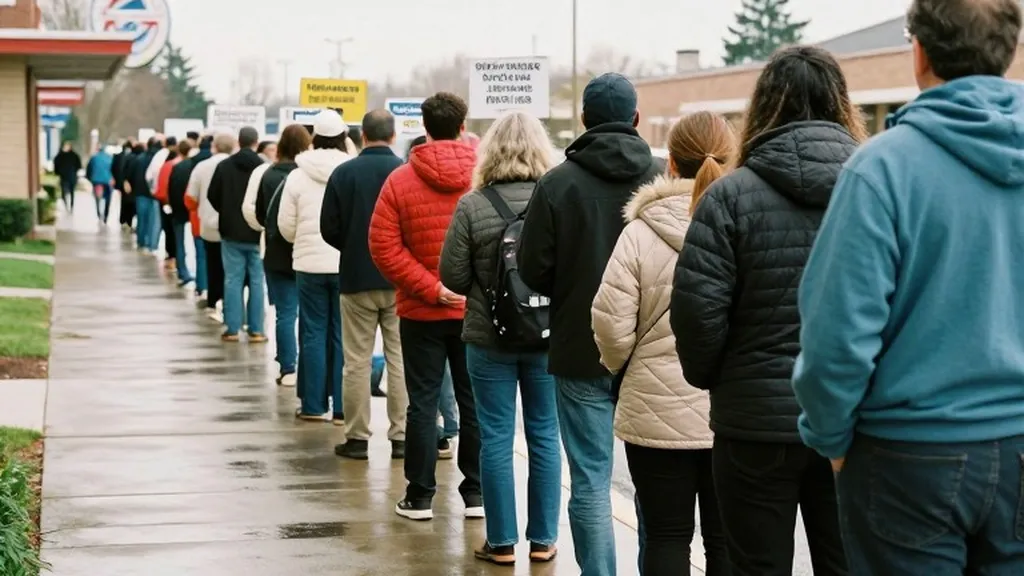
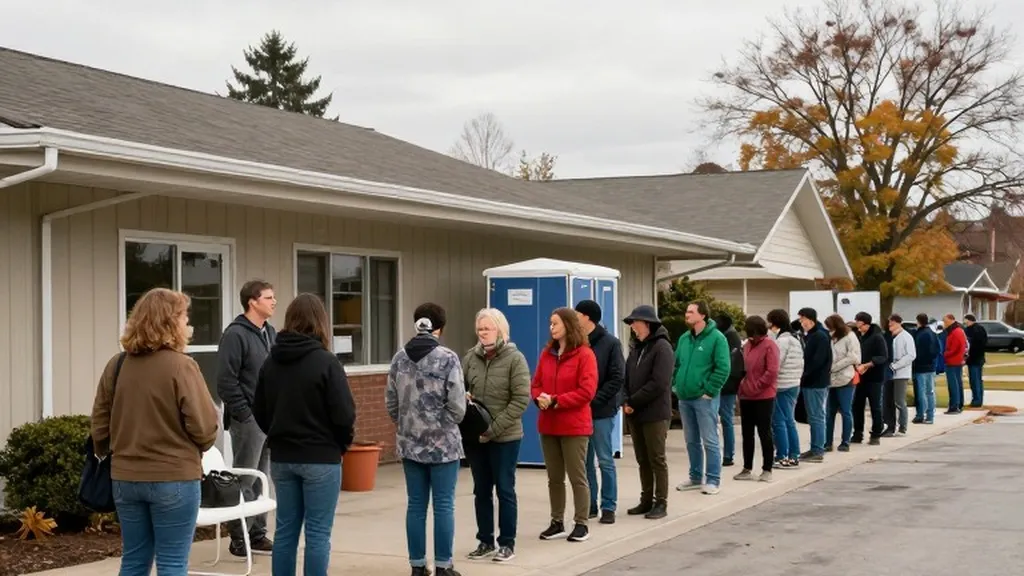
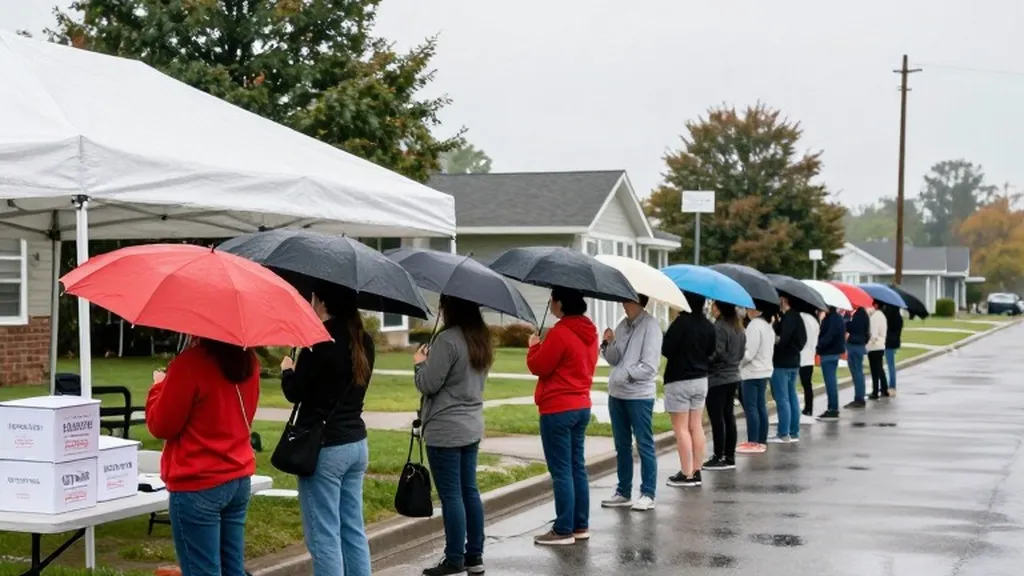
Voters are heading to the polls with a clear sense of what is at stake. More than 57 million people had already voted as of Monday, surpassing the early vote of four years ago in many closely watched states. The Associated Press describes the election as a referendum on Trump's second term, with voters struggling with high prices and angry over the war with Iran. Mark Barker of Palm Beach Gardens, Florida, told the AP, "I've just been following Trump the whole time. I really think he's doing an awesome job." In Raleigh, North Carolina, James Moore, a 57-year-old librarian, said, "I'm paying more taxes. I'm paying more for my healthcare. I'm paying more for everything."
The outcome of the election could have significant implications for the future of the presidency and potential 2028 candidates. If Democrats win even one chamber, investigations and possible impeachment proceedings become likely. House Democratic Leader Hakeem Jeffries would be the first Black speaker and has outlined a 100-day agenda on the cost of living and oversight. A strong Democratic night would also boost potential 2028 candidates such as Gavin Newsom, JB Pritzker, and Pete Buttigieg, while potentially complicating Vice President JD Vance's path. Republicans, on the other hand, have tried to beat the typical midterm pattern of losing seats through redistricting, but new districts in states like Florida may not vote as drawn.
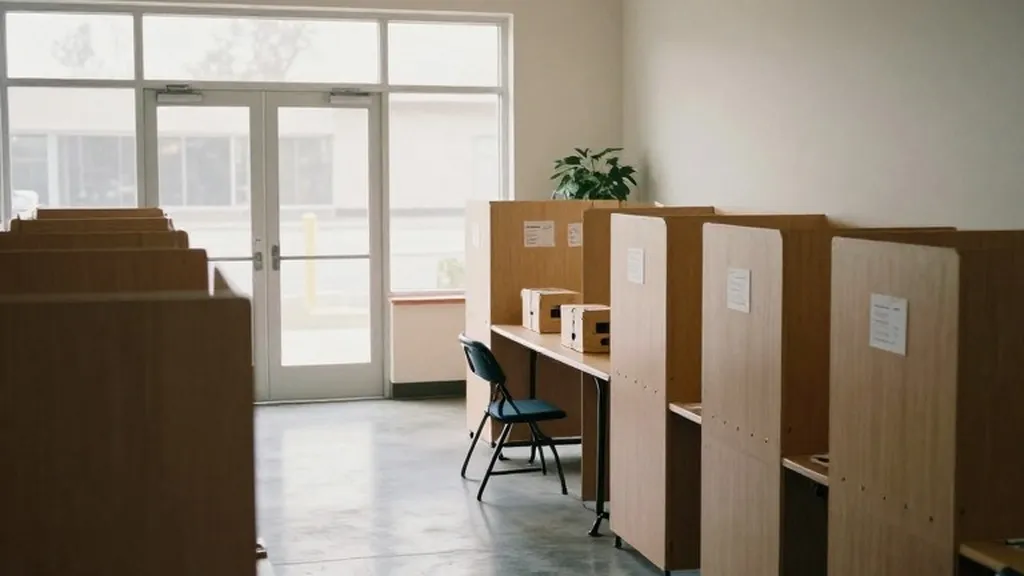
As polls open across the country, the U.S. Postal Service has added hours, staff, and special lines to ensure mail ballots are counted on time. The Associated Press notes that one or two seats could tip the balance in either chamber, making every vote count. RNC Chairman Joe Gruters stated, "Everything depends on turnout. If we turn out our voters, we win, and that's what we've been planning for." The day is defined by the tension between the president's high-profile campaign and the practical realities of voting administration, legal challenges, and the financial edge held by one party.