Hospital beds for the nation's sickest kids are disappearing
The number of hospitals providing care for the nation's sickest children is shrinking.
By Julian Schulz ·
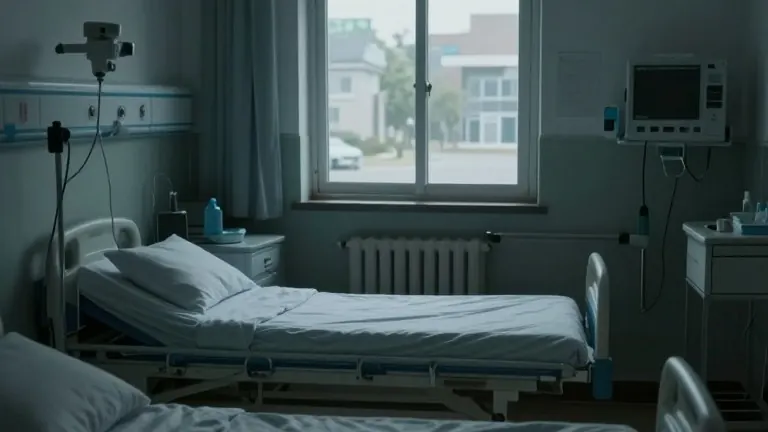
In the past year alone, hospitals have closed for critically ill kids in Montana, Oregon, and Missouri. Overnight hospital wings for kids have also shuttered in Illinois and California. Depending on the hospital, pediatric units, which are separate from neonatal intensive care units, can serve patients ranging from a few weeks old to well into their teens or early adulthood. As hospitals look to cut costs, many are converting those beds into more services for newborns or adults. As a result, pediatric intensive care has become centralized in medical hubs, requiring critically ill children to travel farther for lifesaving care.
You can't expect that people will be fine if the next-closest children's hospital is a flight away or an eight-hour drive.
Hospitals cutting pediatric care tend to cite low patient volumes; it's relatively rare for a child to need intensive care. It's also hard to find doctors to treat those rare cases because the nation is short on pediatric subspecialists, who earn less than those focused on adults. Meanwhile, hospitals are often paid less to treat children than adults, and buying gear tailored to kids adds extra costs.
The gap in care is acute in rural places. Cutbacks are happening across community hospitals, whether owned by small nonprofits or massive private equity companies.
A recent analysis of pediatric inpatient units, hospital wings that provide overnight care, found they decreased by nearly 30% from 2008 to 2022, down from 1,749 hospitals to 1,226. That left three-quarters of the hospitals without any pediatric inpatient services.
Fewer people enrolled in Medicaid, adults or kids, means hospitals are about to see a financial hit.
Mack, who also works as a hospital consultant on patient quality, said cutting kids' services for most hospitals is a spreadsheet issue. This is a very pricey endeavor, and it's not sustainable. There's not a great answer here. It's about quality.
Even without recent closures, many sick kids already travel long distances to obtain care.
When Darby Waldbillig's toddler struggled to wake up one morning in 2022, Missoula was the Montana family's closest pediatric critical care option, a 100-mile emergency flight from their home at the time in Helena, the state capital.
Her nearly 2-year-old daughter, Siobhan, had bacterial meningitis, a life-threatening infection that swells tissue around the brain and spinal cord. Local emergency room workers started antibiotics before transferring her to Missoula's Community Medical Center, where Siobhan spent more than a week in the pediatric intensive care unit, the same unit that closed this month.
I firmly believe it's because of those doctors that she lived.
Whether Community Medical Center can still take cases like Siobhan's depends on how sick a child becomes.
Source: CBS News